Steel
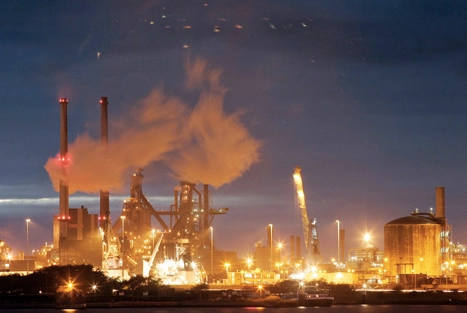
Dry Out and Heat Up
Dry-out ensures the safe removal of moisture from newly installed refractory linings, preventing cracking or spalling due to thermal stress. This process enhances the durability and performance of linings in high-temperature areas like kilns and preheaters.
Read more about dry out and heat up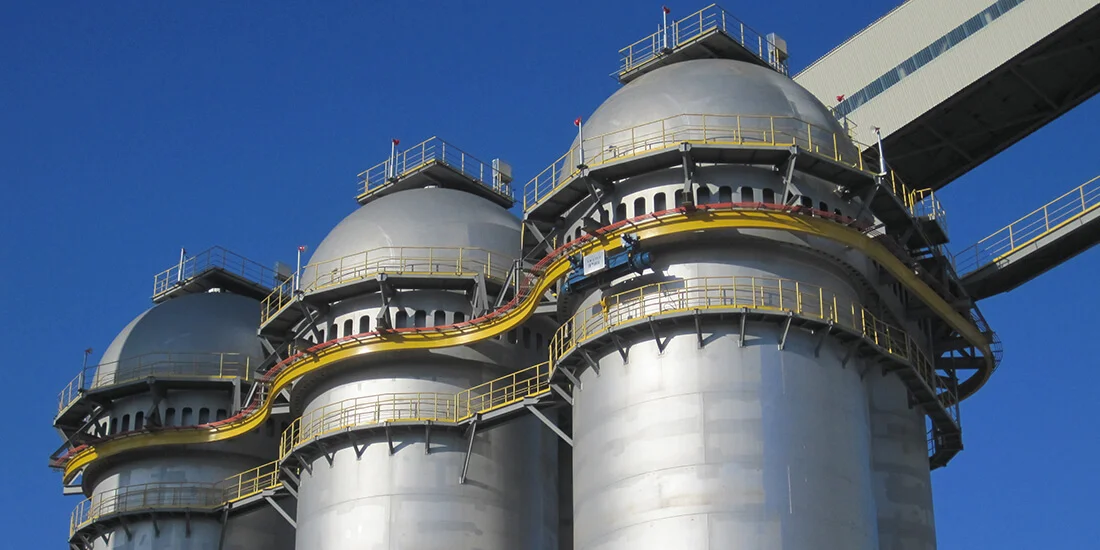
Blast Furnace Heat-Up
Heat-up and dry-out services for blast furnaces involve gradually raising the temperature to prevent thermal shock and ensure uniform heat distribution. Dry-out removes trapped moisture from the refractory linings, preventing damage and extending their lifespan, optimizing furnace efficiency and safety during high-temperature operations.
Read more about blast furnace heat up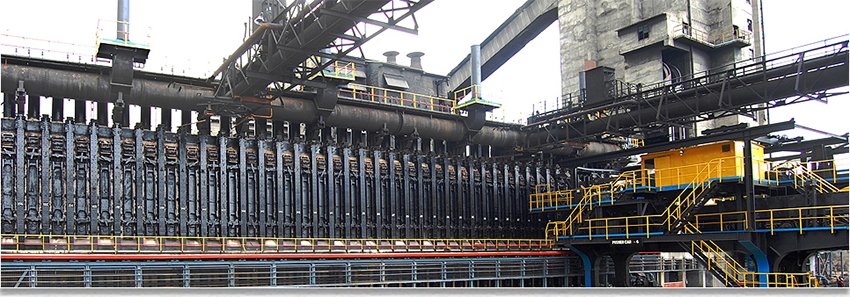
Coke-Oven Service
Coke Oven services include full battery heat-up, heat-up after end wall repairs, through-wall heat-up, and heat-up of battery sections with regenerators. Additionally, holding temperature during hot repairs ensures the safe and efficient operation of the coke oven, optimizing performance and extending equipment lifespan.
Read more about coke oven service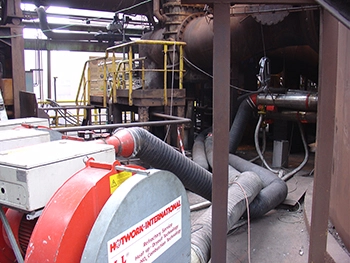
Stove Heat Up
Stove heat-up process uses specially designed High Velocity Burners operating on an excess air basis, developed specifically for Stoves. This system ensures a positive furnace pressure, maintaining uniform temperatures throughout the stove. The controlled heat-up optimizes performance, reduces thermal stress, and ensures the efficiency of the stove during its operation in the steel-making process.
Read more about stove heat up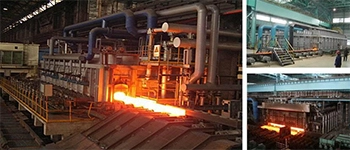
Reheat Furnace
Reheat furnace services include commissioning various types, such as plate mill, pusher, walking beam, and rotary hearth furnaces. Whether for new construction or heat-up after repairs, Hotwork International ensures optimal furnace performance and longevity through precise heat-up processes, minimizing risks and enhancing efficiency.
Read more about reheat furnace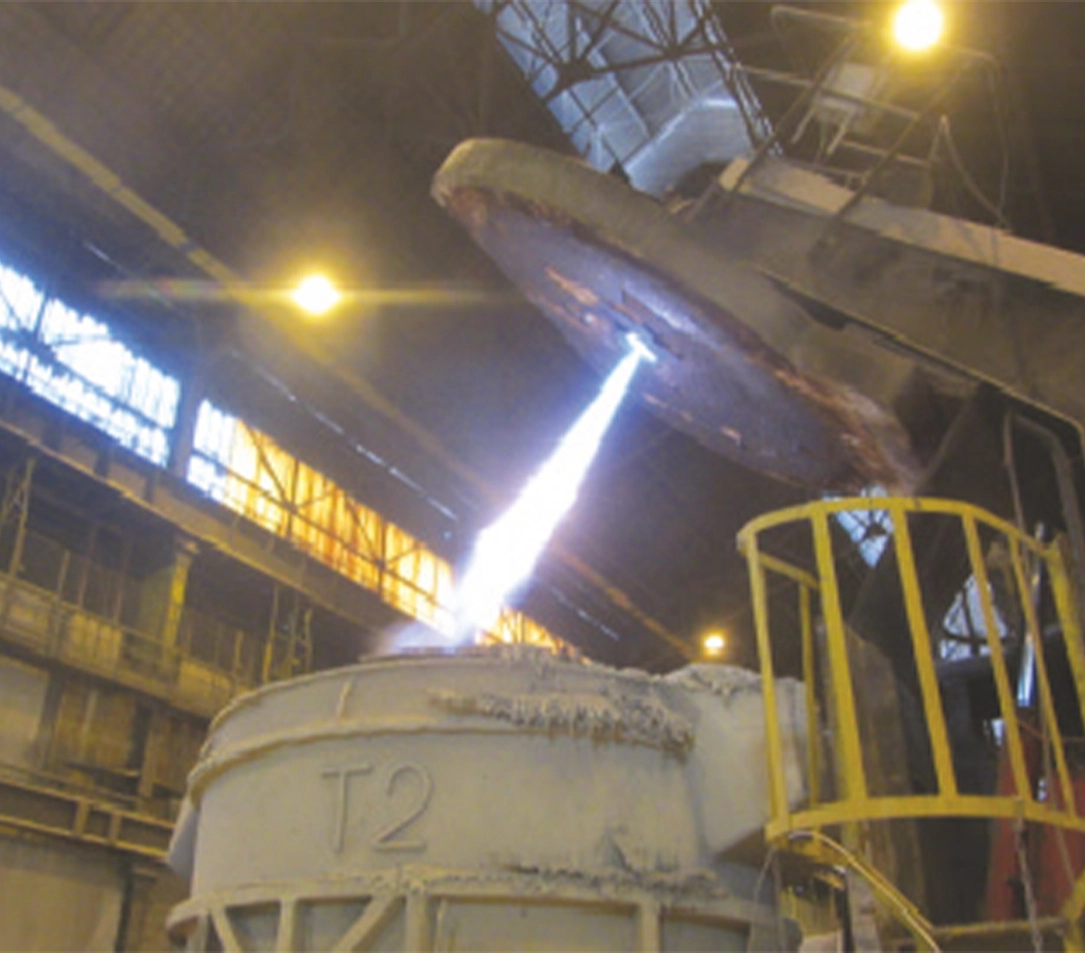
Ladle Pre-Heating Technology
Heat-up and dry-out services for Ladles in various sizes involve gradually raising the temperature to prevent thermal shock and ensure uniform heat distribution. Dry-out removes trapped moisture from the refractory linings, preventing damage and extending their lifespan, optimizing efficiency and safety during high-temperature operations. We offer full-scale long-term contracts.
Read more about ladle pre-heating technologyFrequently asked questions
Which steel plant equipment does Hotwork dry out and heat up?
Hotwork International has served the iron, coke and steel industry for decades with dry-out and heat-up of blast furnaces, DRI plants, reheat furnaces, coating pots, hot blast stoves, hot blast mains, bustle pipes and coke ovens. Other services include frozen metal melt-outs and torpedo car heat-ups.
How is a blast furnace or hot blast stove heated up?
Hotwork uses its own high-velocity burners running on excess air, which keep a positive pressure and regulate the hot gas temperature at every stage between 60 °C and 1200 °C without hot spots. For hot blast stoves the aim is to build and hold a temperature gradient from the dome, through the checkers, to the grid.
What coke oven services does Hotwork offer?
Full battery heat-up, heat-up after end wall repairs, through-wall heat-up, heat-up of battery sections including regenerators, and holding the temperature during hot repairs.
Which reheat furnaces can Hotwork commission?
Hotwork International has commissioned many types of reheat furnace – plate mill, pusher and walking beam furnaces for blooms, billets or slabs, and rotary hearth furnaces – both new builds and heat-ups after repair, to give the refractory the best possible lifetime.
How much fuel and time does oxy-fuel ladle pre-heating save?
Hotwork's OPTIflame ladle pre-heating reduces fuel consumption and CO₂ emissions by up to 75 %, heating time by up to 65 % and NOx emissions by up to 80 %, with a return on investment in less than a year. In one example, an air-fuel system reached 1150 °C inside the ladle after 240 minutes at 1700 kW; the oxy-fuel system reached 1320 °C after 190 minutes at 500 kW.
Why is oxy-fuel more efficient than air-fuel for heating ladles?
The nitrogen in combustion air hardly absorbs or radiates heat, so about half of the energy input of an air-fuel system goes up the flue. Oxy-fuel nearly doubles the heat transferred, heats the ladle more evenly and with less thermal shock to the refractory, and holding temperature then needs much less energy. A dedicated oxy-fuel drying station (or a hybrid drying and heating station) is available for newly lined ladles.
Does Hotwork also do post-weld heat treatment (PWHT)?
Yes – on site or in Hotwork's own furnaces, for vessels, pressure tanks, towers, pipes and structures in construction, offshore, petrochemical plants and refineries. The procedure includes software-based thermal calculations (and Zick analysis for horizontal vessels), follows the current welding codes, and is followed by non-destructive tests such as ultrasound, magnetic particle, radiographic and hardness testing.