Glass

End Fired Furnace
Our Services for end fired furnaces include furnace draining, heat-up, and regenerator cleaning. Our advanced air-fuel combustion systems, electric melting/boosting solutions, and bubbling technologies ensure efficient operations and prolonged furnace life. We also provide high- temperature furnace cameras for monitoring and permanent drain systems for continuous functionality.
End Fired Furnace
Cross Fired Furnace
Our services for cross-fired furnaces include furnace draining, heat-up, and thermal regenerator cleaning. We utilize advanced air-fuel combustion and electric melting/boosting systems, along with bubbling technology, to enhance operational efficiency. Additionally, we provide high-temperature furnace cameras and permanent drain systems for long-term performance.
Cross Fired Furnace
Float Furnace
For float furnaces, we offer furnace draining, heat-up, and regenerator cleaning services tailored to maintain optimal glass production. Our specialized float glass combustion systems, electric boosting solutions, and bubbling technologies minimize downtime while improving efficiency. High-temperature furnace cameras and permanent drain systems further ensure reliability.
Float Furnace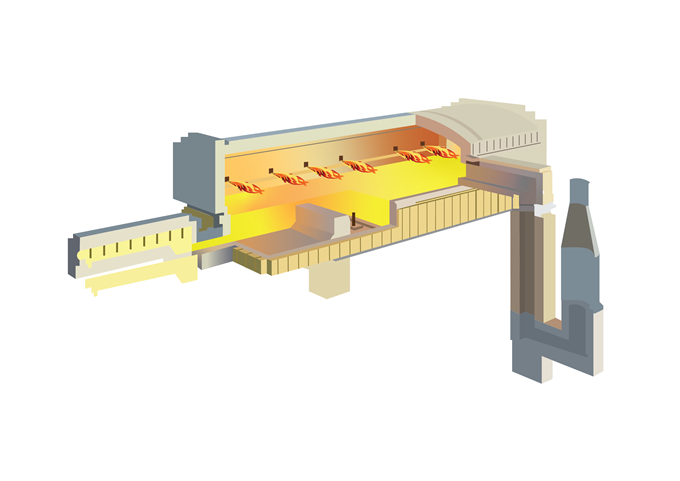
Oxy-Fuel Furnace
We deliver furnace draining and specialized solutions for oxy-fuel furnaces, utilizing cutting-edge oxy-fuel combustion systems for enhanced productivity. Our services also include electric boosting, bubbling, and high-temperature furnace cameras, along with permanent drain systems to ensure uninterrupted performance.
Oxy-Fuel Furnace
Recuperative Unit Melter
Our draining and regenerator repair solutions for recuperative unit melters are designed to maximize energy recovery and maintain efficient operations. We utilize oxy-fuel combustion systems, electric boosting, and bubbling technologies, alongside high-temperature furnace cameras and permanent drain systems, to ensure optimal furnace performance.
Recuperative Unit Meter
Hybrid Furnace
For hybrid furnaces, we offer customized furnace draining and regenerator repair solutions to support smooth transitions and reliable performance. Our advanced regulating hot-air burners, oxy-fuel combustion systems, electric boosting, and bubbling technologies are complemented by high-temperature furnace cameras and permanent drain systems for long-term efficiency.
Hybrid Furnace
Electric Furnace
We specialize in precise furnace draining services for electric furnaces, focusing on maintaining continuous and efficient operation. With our advanced electric melting and boosting solutions and high-temperature furnace cameras, we ensure reliable and uninterrupted performance.
Electric FurnaceFrequently asked questions
How does Hotwork heat up a glass melting furnace?
Hotwork International has carried out furnace heat-ups for glass manufacturers worldwide since 1963, using its own high-velocity burners that run on excess air and were developed for all types and sizes of glass melting furnaces. The system keeps a positive furnace pressure and regulates the hot gas temperature at every stage between 60 °C and 1200 °C, giving a temperature uniformity of ±3 °C in the furnace and regenerators without hot spots or stagnant areas.
How long does a glass furnace heat-up take?
Typically about one month (28–30 days) for a float furnace and 18–20 days for a container glass furnace, in both cases including the filling with cullet.
How is the furnace's expansion controlled during the heat-up?
During the heat-up the furnace steelwork has to be adjusted in time as the refractory expands; done correctly, this gives a stable furnace and a longer campaign. Hotwork installs electronic crown-measuring equipment on a support separate from the furnace steel, with transducers that measure crown rise and lateral expansion, and adjusts the expansion through the jack bolts and tie rods – not by fabrication or welding work. Hotwork engineers carry out up to 15 furnace expansion controls a year.
How is a glass furnace drained safely?
The molten glass falls into a high-pressure water jet and is carried through a channel to a scraper, which separates the glass from the hot water (about 98 °C). The glass is collected in a metal bay and recycled as cullet; the water is cooled, settled and pumped back in a closed circuit, so only the water lost by evaporation has to be refilled. The system suits all furnace designs and drains quickly, with no glass fines or hot water in the sewage system.
Why do regenerators need cleaning, and does it stop production?
Sodium vapours and sulphur compounds condense in the checker packs and block them; after 4–6 years of operation this can raise energy costs by 5–15 %. Hotwork installs a service burner at the bottom of the regenerator and raises the temperature gradually: at about 850 °C the sulphates melt and run down into a sand pit, where they are removed once solid. The maximum temperature is agreed with the customer – normally 900 °C. Several chambers can be cleaned at the same time or one after another without interrupting production; the method has been used on hundreds of regenerative furnaces.
Can a damaged regenerator be repaired without losing production?
Yes. Hotwork replaces the air-fuel burners with specially designed oxy-fuel underport burners and a transportable oxy-fuel control station, which take over part or all of the combustion air while the regenerator is repaired or rebuilt cold. On one end-fired furnace, three oxy-fuel burners kept the furnace running at 120 % of capacity with an unchanged superstructure temperature during the repair, and glass quality often improves with oxy-fuel firing.
What do electric boosting and bubbling do for a glass furnace?
Electric boosting feeds precisely controlled electrical energy into the glass bath through horizontal or vertical molybdenum electrodes, raising bottom temperatures, supporting higher pull rates and improving refining. A bubbler blows gas through nozzles in the furnace bottom, lifting cooler glass to absorb heat, which improves homogeneity, speeds colour changes and can reduce fuel consumption by up to 5 %. For boosting and bubbling together, Hotwork has over 60 installations and over 75 power controls worldwide.
What is a permanent drain, and which furnaces need one?
A permanent drain removes glass continuously or intermittently from the bottom of the furnace, forehearth or working end, at very low and stable flow, to prevent defects such as zircon cords and cat scratches in tableware, flacons, specialty display glass and fiberglass. It uses an electrically heated platinum bushing with a flow-adjusting plunger and PLC control; typical drain rates are 500–1300 kg per day per line at 1.0–2.5 kW, and it can be retrofitted on an existing furnace.