Cement
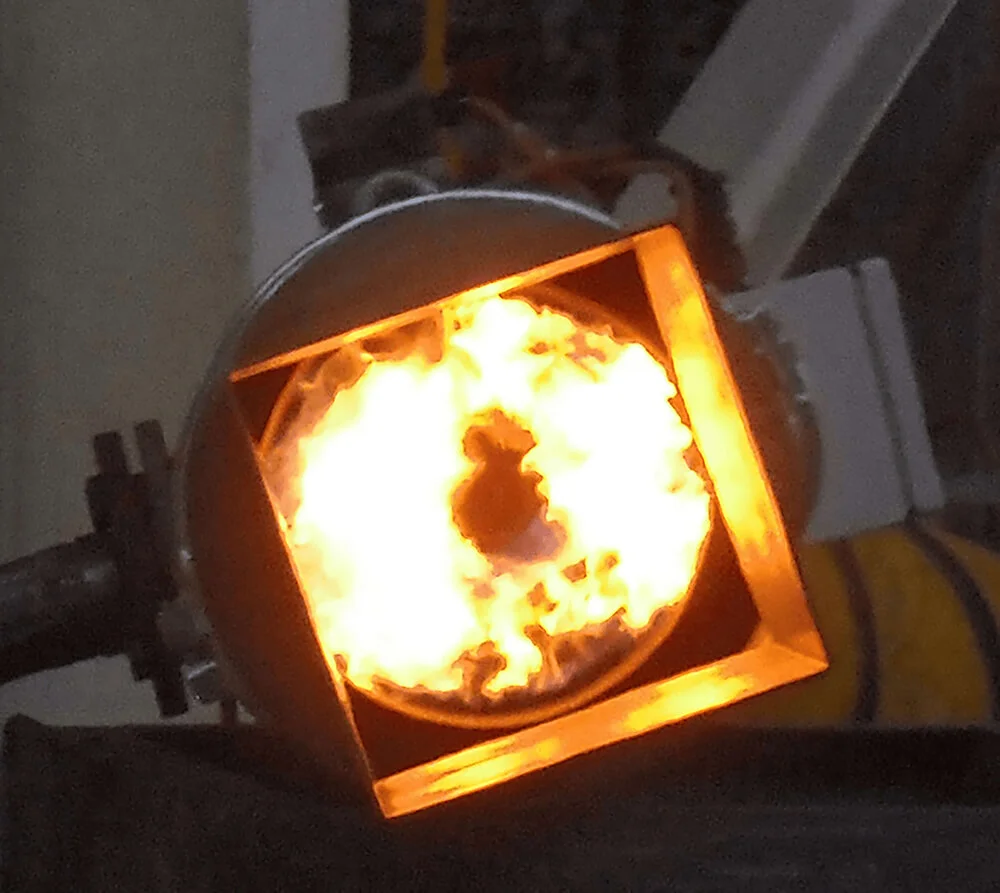
Dry out of refractory lining
Dry-out ensures the safe removal of moisture from newly installed refractory linings, preventing cracking or spalling due to thermal stress. This process enhances the durability and performance of linings in high-temperature areas like kilns and preheaters.
Read more about furnace dry out and heat up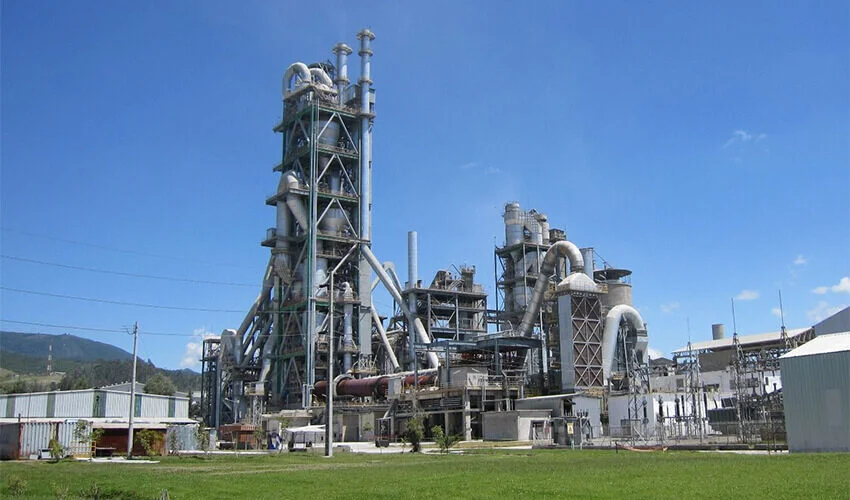
Pre-Heater / Tower
In the Pre-heat tower, dry-out is crucial to gradually remove moisture from the refractory lining. This ensures even heat distribution and prevents thermal shock, which can compromise structural integrity.
Read more about pre heater tower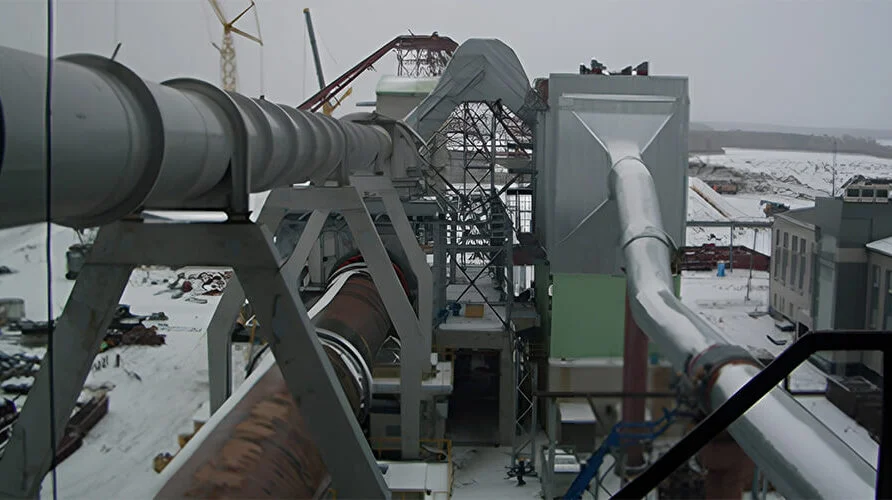
Cooler
Dry-out in the cooler removes residual moisture from the refractory and ensures uniform temperature control. This helps optimize cooling efficiency and protects the refractory lining from premature wear.
Read more about cooler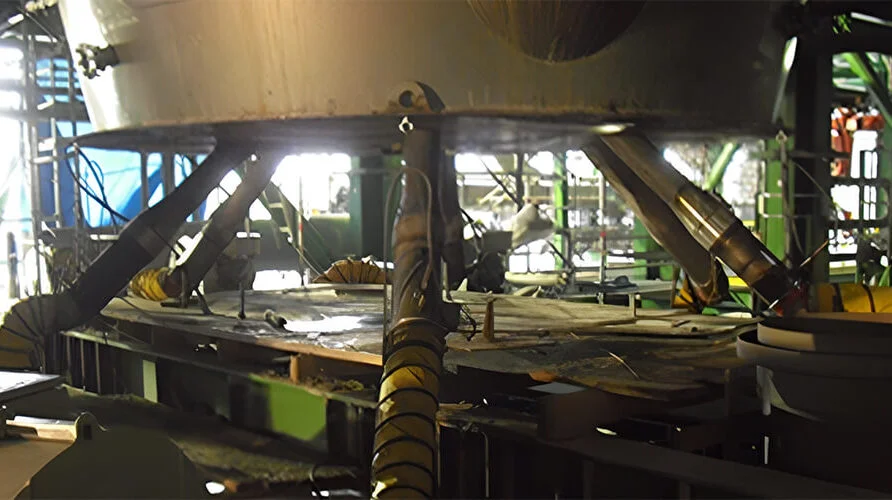
Mill Heating
Cement plant operators occasionally require a temporary heat source for mill testing and system commissioning. Utilizing the Hotwork International method ensures a reliable and controlled heat source, allowing for efficient and accurate mill commissioning. This approach provides consistent temperature management, minimizing operational risks and optimizing system performance during testing phases.
Read more about mill heating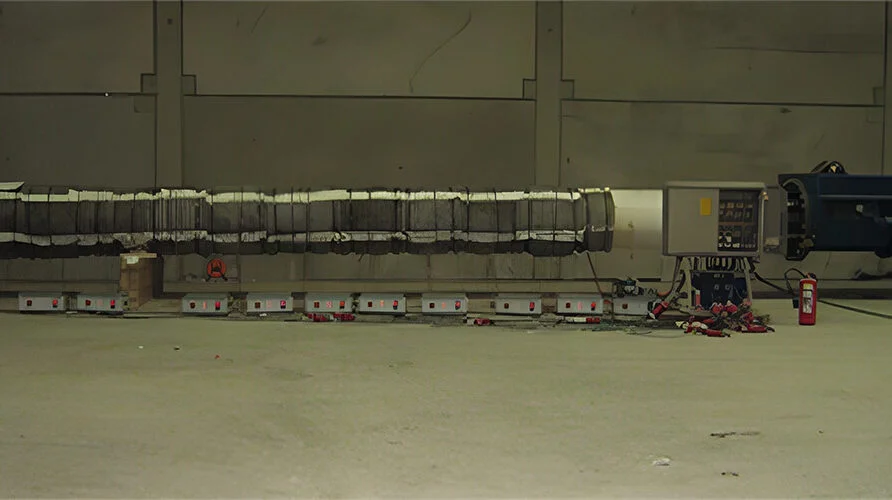
Electrical Dry Out
Hotwork International’s electrical heating mats provide an efficient solution for refractory dry-out without the need for constructing a temporary kiln or furnace to house portable high-velocity burners. These mats can be strategically deployed around the target area, offering precise temperature control and uniform heat distribution. This method is particularly advantageous for drying out main burners or other smaller refractory-lined components, ensuring accuracy and efficiency.
Read more about electrical dry outFrequently asked questions
Why can't the kiln burner simply dry out new refractory in a cement plant?
When a plant starts up on the kiln burner, the heat enters at the firing hood and draws up the kiln, while the cooler does what it is designed to do – it cools. The cooler refractory is then dried in seconds when hot clinker reaches it, which leads to steam explosions and cracks that may only show at the first cool-down. Hotwork applies precisely controlled heat to the curbs, bullnose, firing hood and nose ring, and the dry-out can run at the same time as the start-up.
When is the kiln rotated during a dry-out?
Only after it has reached 200 °C. Before that, the ramp-up for the dry-out must be done properly, so that no refractory blocks collapse and cause hot spots later. Hotwork's burners produce enough hot gas pressure to reach the far end of the kiln.
How does Hotwork dry out a pre-heater or calciner tower?
New pre-heater and calciner towers contain a large amount of new refractory that holds a lot of water. Hotwork plans the burner installation points, the hot gas flow and the vent and stack positions, then dries the lining with high-velocity burners on excess air, which regulate the temperature between 60 °C and 1200 °C with a uniformity of ±3 °C.
What happens if refractory is heated up too quickly?
Areas next to each other expand at different rates and the stresses crack the lining; residual moisture can turn to steam too fast and cause an explosion. Moisture can also be driven deeper into the refractory and trapped there, even when the hot face looks dry – shortening the campaign life and causing premature refractory failure.
Can small components like the main burner be dried out without building a temporary furnace?
Yes – with Hotwork's electrical heating mats, which are placed around the area to be dried and ramped up with close and precise temperature control. This is especially useful for the main burner and other smaller refractory-lined components.
Can Hotwork supply heat for mill testing and commissioning?
Yes. Cement plant operators sometimes need a temporary heat source to test a mill; Hotwork's high-velocity burner method gives a reliable, controlled heat source so the mill system can be commissioned.
Is the dry-out only for new plants?
No – it is offered for complete units and greenfield plants as well as for partial repairs after maintenance, to improve campaign life, prevent premature refractory failure and avoid steam explosions and cracking. The service is available 365 days a year.