Boiler
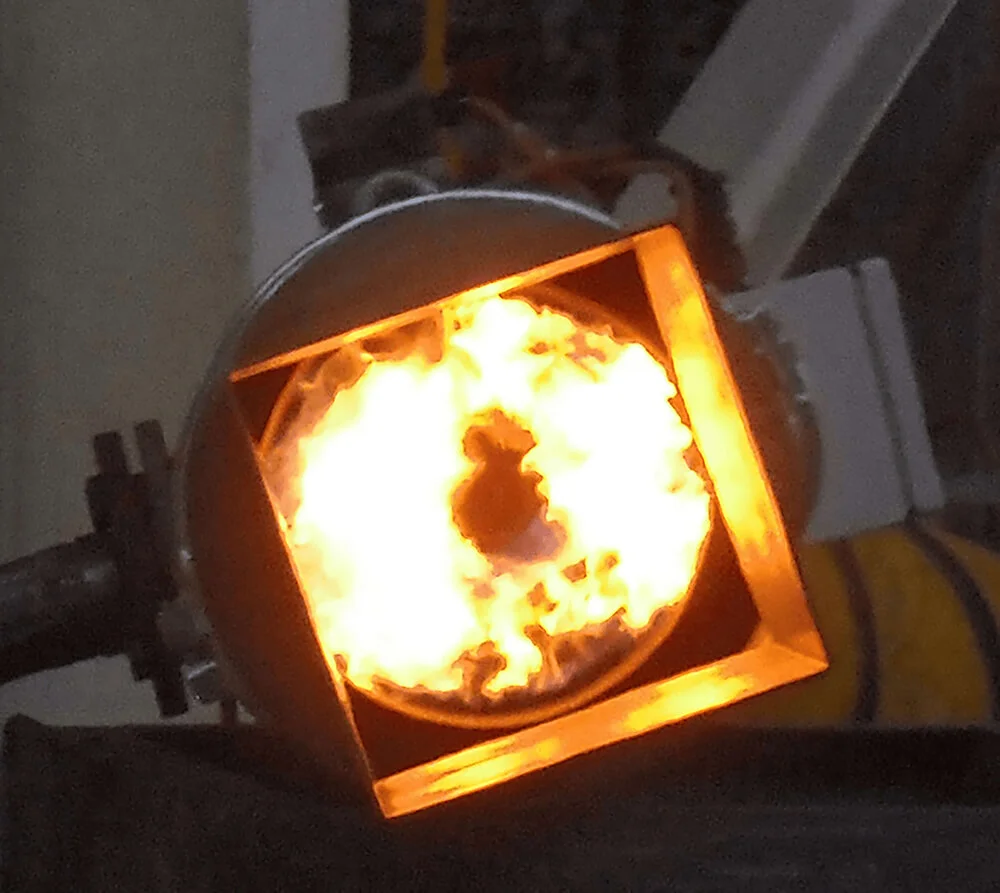
Dry-Out of Refractory Lining
Specialized refractory lining dry-out services are provided using specially designed burners to ensure safe moisture removal from newly installed refractory materials. The system gradually increases the temperature, preventing cracking or damage. This method minimizes thermal stress, reduces the risk of steam explosions, and extends the lifespan of the refractory lining, ensuring optimal performance and efficiency in high-temperature operations.
Read more about dry out of refractory lining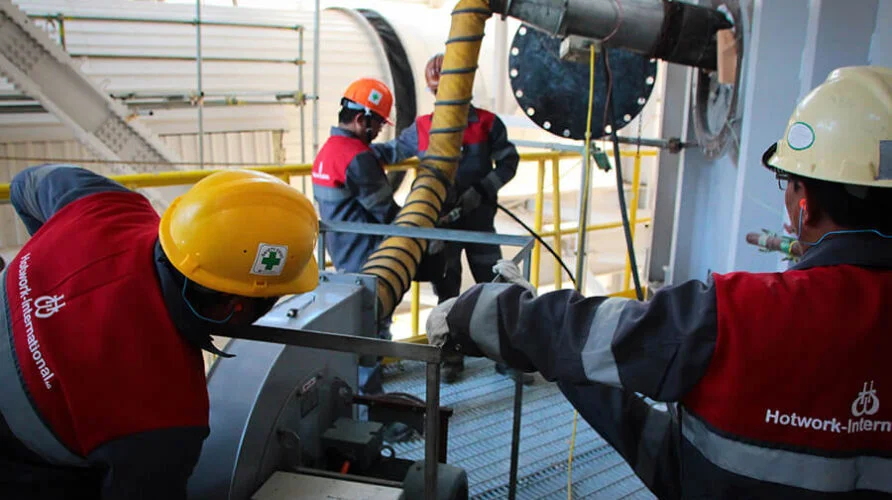
CFB Boiler
Hotwork International's High Velocity Burners utilize excess air to ensure uniform temperature distribution and precise control from 60°C to 800°C. This technology is designed for full scale CFB Boiler with single or double cyclones and can be utilized for partial repairs of ducts, seal pots or other refractory-lined components, eliminating hot spots and ensuring efficiency. Suitable for various fuels, including natural gas, propane and diesel (light fuel oil), the service includes temporary fuel supply piping and is adaptable to projects of all sizes, from small generators to large power plants.
Read more about cfb boiler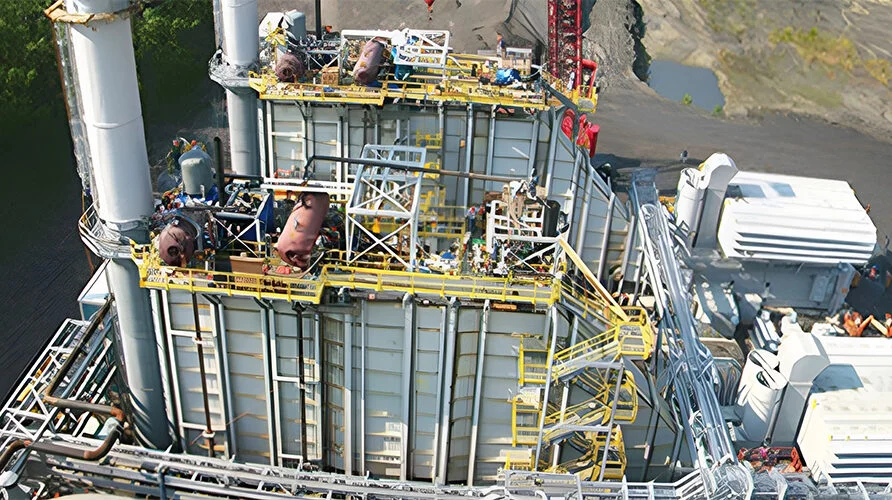
Heat Recovery Steam Generator
We specialize in delivering exceptional Heat Recovery Steam Generator (HRSG) services for boiler. Our expertise in furnace, dry out, and refractory technologies allows us to provide comprehensive solutions that maximize energy efficiency and operational performance.
Read more about heat recovery steam generator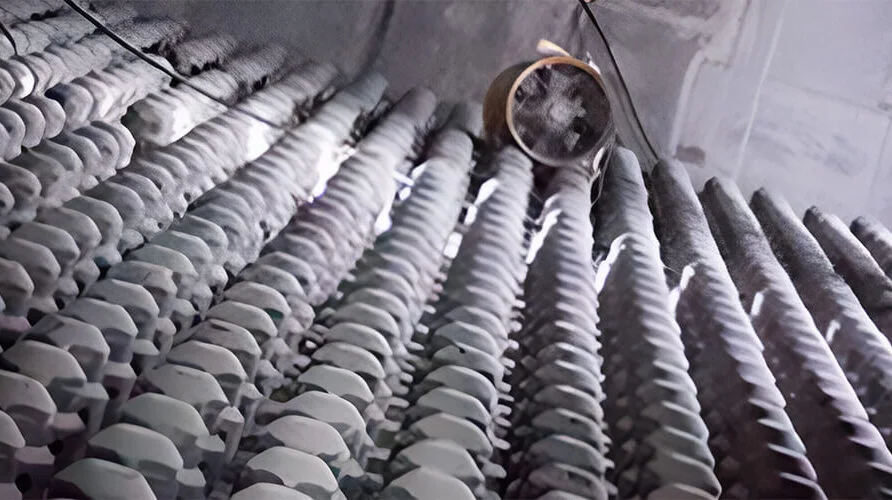
Other Boiler Services
Specialized services for boiler dry-out include pre-dry-out cleaning for debris-free heat application, post-dry-out inspections to detect cracks, and controlled cooling to avoid thermal shock. Stress-relieving treatments, precise temperature monitoring, hot holding for curing, refractory repairs, and emergency dry-out solutions ensure optimal refractory durability and efficiency.
Read more about other boiler servicesFrequently asked questions
Which parts of a power plant does Hotwork dry out?
The refractory lining of power boilers, CFB boilers, heat recovery steam generators (HRSG) and incineration plants, and their components – fireboxes, cyclones, inlet ducts and ductwork, ash hoppers, burners, floors, flues, target walls and chimneys. Hotwork also heat-treats welded steel components on the same units.
How is a CFB boiler dried out?
With Hotwork's high-velocity burners on excess air, which give a uniform temperature and precise control for complete CFB boilers with single or double cyclones, and also for partial repairs of ducts, seal pots and other refractory-lined parts. The dry-out temperature of a CFB boiler is 560–800 °C at most. Hotwork has commissioned CFB boilers all over the world.
Which fuels can be used, and does Hotwork bring the fuel supply?
Natural gas, propane or any other gaseous fuel, and light fuel oil (diesel) – not heavy fuel oil. Hotwork can also supply the complete temporary fuel piping.
Is the service only for large power plants?
No – projects range from a small heat recovery generator to a large power plant, and from one burner to 24 burners or more.
What other boiler services are there?
Steam blows, chemical cleaning, turbine operation support and temporary process heat; around the dry-out also pre-dry-out cleaning, post-dry-out inspection for cracks, controlled cooling to avoid thermal shock, hot holding for curing, refractory repairs and emergency dry-outs.
Why is post-weld heat treatment needed on boiler components?
Welding leaves residual stresses in the weld; post-weld heat treatment (PWHT) improves the weld microstructure, increases ductility, reduces the risk of brittle fracture and removes hydrogen that would cause cracking – extending the life of pressure parts, vessels and pipes. Hotwork works to the current welding codes, on site or in its own furnaces, followed by non-destructive testing (ultrasound, magnetic particle, radiographic, hardness).